Radiation Reduction and Imaging Innovation: The Shift Toward Flat Panel C-Arms
Radiation exposure remains a serious global health concern, contributing to an estimated 14,000 deaths each year. With the growing reliance on medical imaging, there is increasing concern about the long-term effects of cumulative radiation exposure. In response, low-dose imaging is emerging as a powerful solution, offering the ability to reduce radiation exposure without compromising diagnostic accuracy. This advancement marks a pivotal shift toward safer, more sustainable medical practices.
The Role of Low-Dose Imaging in Modern Medicine
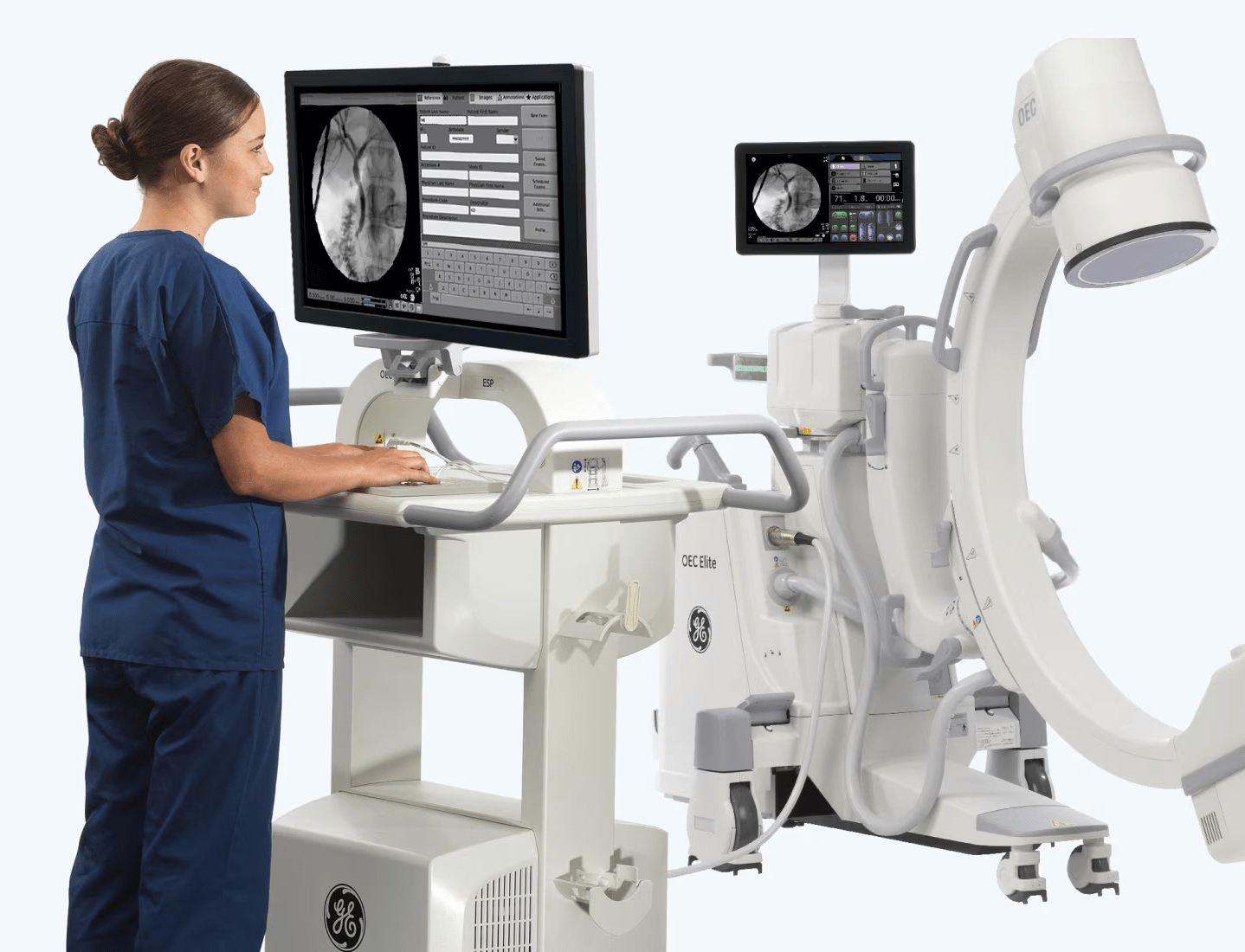
In the global effort to reduce the health risks associated with medical radiation, low-dose imaging has become a cornerstone of safer, future-ready practices. One of the most common surgical fluoroscopy machines is a C-Arm, frequently used in pain management, orthopedics, cardiology, neurology, and regenerative medicine. C-Arms offer two primary modes of operation: continuous and pulse mode. Pulse mode delivers intermittent X-ray beams, which helps reduce radiation exposure.
While pulse mode gives doctors the chance to reduce the risk of radiation exposure, it does have disadvantages that should be taken into consideration. For instance, a C-Arm can produce grainy or blurred images, especially with movement between pulses. This can affect the clarity and accuracy of a procedure, making it difficult to use in some cases.
C-Arm Fluoroscopy and Radiation Control
Over the last three decades, fluoroscopy machines have advanced considerably. The introduction of the flat panel detector brought new insight to the idea of lower radiation doses during procedures. When compared, image intensifiers produce 30% more radiation than flat panel detectors.
Flat panel detectors were first introduced in the late 1990s, leveraging advancements in large-area displays and digital radiography. Studies have shown that flat panel detectors not only reduce radiation exposure, but also ensure nearly every imaging parameter when compared to image intensifiers.
Flat Panel Detectors vs. Image Intensifiers
Doctors take two main factors into consideration when deciding between an image intensifier and flat panel detector: image quality and radiation dose. With their wider dynamic range and superior image quality, they are especially effective for procedures such as orthopedic and spinal surgeries, joint replacements, biopsies, vascular imaging, and pain management interventions.
There are two different types of flat panel detectors: direct and indirect. The key difference between the two is the conversion process, which impacts imaging efficiency and performance. In the future of C-Arm technology, image intensifiers are expected to be phased out, with flat panel detectors becoming the standard choice for medical imaging applications.
The Shift Toward Flat Panel Detector C-Arms
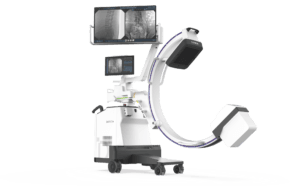
Looking ahead, image intensifiers are expected to be phased out of the C-Arm market within the next five years. As flat panel detector technology becomes more accessible and affordable, it is rapidly becoming the standard in medical imaging. These new advancements will reduce patient risk, improve workflow, and increase procedural accuracy.
The demand for flat panel detectors in the U.S. is expected to grow within the regenerative medicine field, supporting advanced procedures such as stem cell therapies, platelet-rich plasma (PRP) injections, and other tissue-based treatments.
As imaging technology advances, manufacturers are positioning themselves as value-based partners to healthcare providers. Service contracts will be a critical component of these partnerships, providing comprehensive support for flat panel detector C-Arm systems through regular software updates, preventative maintenance, and ongoing technical assistance. This ensures optimal performance, maximized system longevity, and uninterrupted clinical workflow for healthcare providers.
Low-dose imaging technology, particularly through the adoption of flat panel detectors in C-Arm systems, is reshaping the future of medical diagnostics and treatment. By significantly reducing the radiation exposure while enhancing image quality, these advancements promise safer procedures, more accurate diagnoses, and improved patient outcomes. The next generation of imaging solutions will not only meet current clinical demands but also pave the way for innovative practices in fields like regenerative medicine. The future of medical imaging is clear – and it’s safer, smarter, and more efficient than ever before.
Contact ImagPros today to learn about our Flat Panel Detector C-Arms!
 SMART-C® Technology in Clinical Settings
  Why Refurbished C-Arms Often Focus on OEC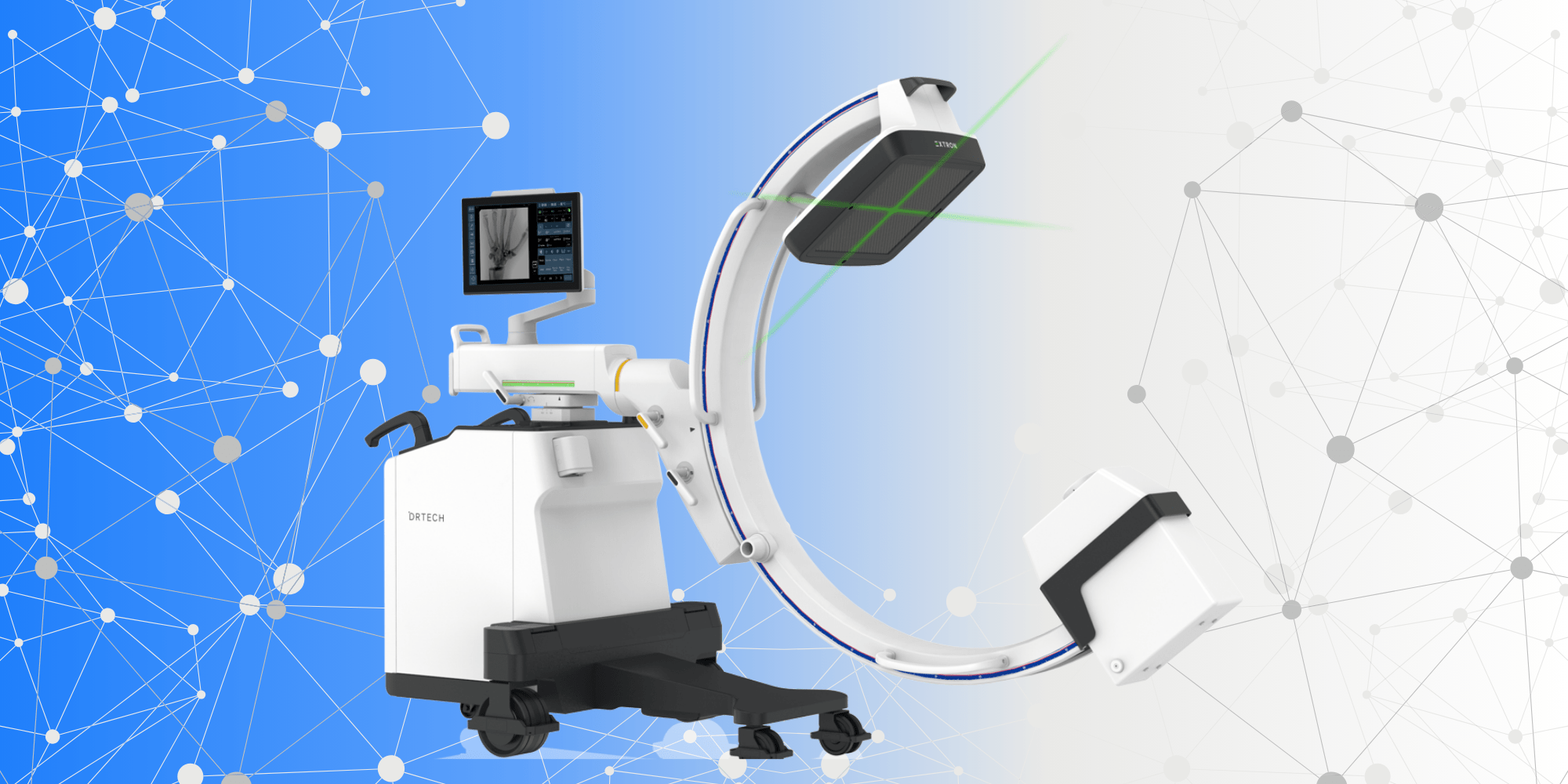
 Types of C-Arms
 Future Innovations with FPD C-Arms